
Pelvic Health Physiotherapy in Windsor, Ontario
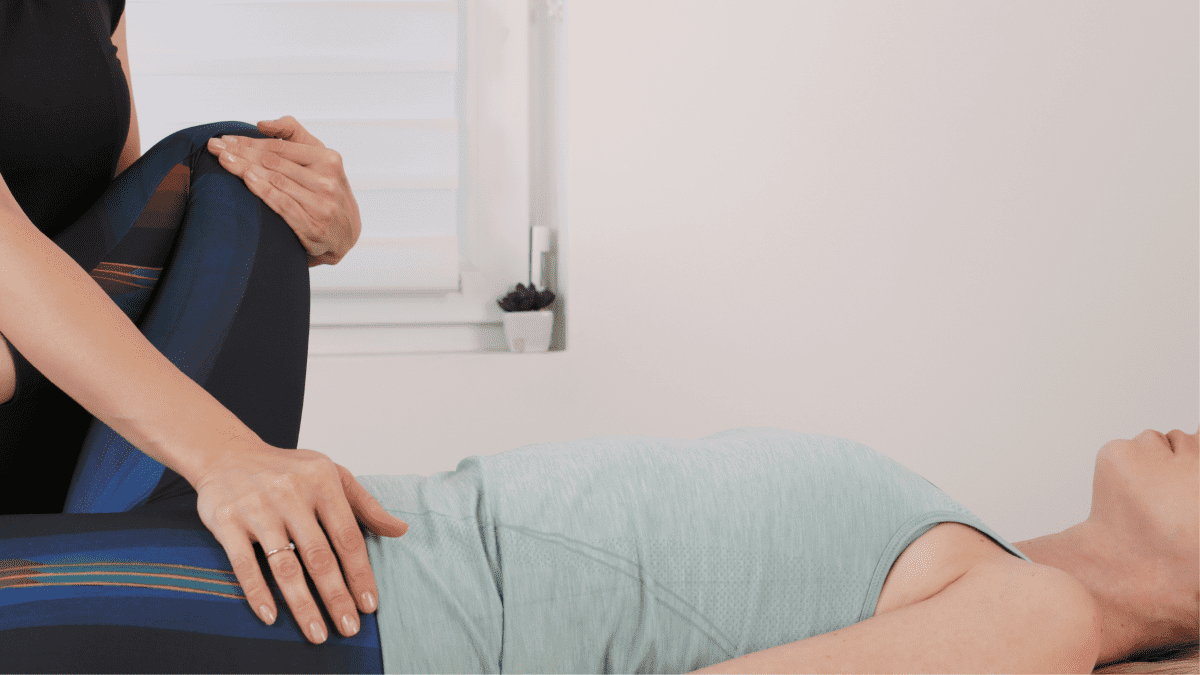
Are you in need of pelvic health physiotherapy? Berton Physiotherapy & Chiropractic is the leading pelvic health physiotherapy clinic in Windsor, Ontario. This specialized service treats a wide variety of pelvic floor dysfunction/symptoms such as urinary or fecal incontinence, urinary urgency and frequency, pelvic pain, and pre- and postnatal care. You may want to consider consulting with a pelvic floor physiotherapist before undergoing surgical procedures.
3 layers of muscles make up the pelvic floor. These muscles form a sling attaching the coccyx (tailbone) to the front and sides of the pelvis. These muscles wrap around the urethra, rectum and vagina. They must be able to contract properly to maintain continence and relax to allow for urination, bowel movements, and sexual intercourse (women). Like any other muscle in the body, they can become too tight or even weakened, causing pain and/or dysfunction. Areas of tension in the pelvic floor muscles can refer pain into the abdomen, groin, perineum, scrotum, penis, buttocks, and thighs.
Pelvic Pain Causes
Lifestyle factors may affect pelvic floor function. This may include frequent sitting, standing, and even dietary factors. These can lead to constipation or diarrhea. Stress and anxiety may cause pelvic floor dysfunction and possibly pain.
Pelvic Floor Symptoms Requiring Physiotherapy
Pelvic floor dysfunction may present as worrisome symptoms, causing you to visit your family physician. One or more of the following symptoms are expressed by individuals who suffer from pelvic problems.
Urinary and Urge Incontinence
Do you experience stress urinary incontinence? This is explained as urine leakage when coughing, sneezing, laughing, jumping, or getting up out of a chair. Individuals can also experience urge incontinence, which is having a strong, sudden need to urinate that is difficult to delay. The bladder then squeezes, or spasms, causing you to possibly lose urine.
Pelvic Organ Prolapse
Over 50% of women experience pelvic organ prolapse. The pelvic floor musculature, as well as ligaments and connective tissue, help support the pelvic organs. Sometimes after pregnancies or vaginal deliveries the walls of the vagina become lax causing a dropping of the uterus, bladder and rectum from their normal resting position. Pelvic organ prolapse can be uncomfortable and affect your quality of life.
Vulvodynia
Vulvodynia is long-term pain or discomfort around the outer part of the female genitals, called the vulva. This pain doesn’t seem to have a clear cause. Pelvic floor physiotherapy can ease symptoms of this condition and provide relief.
Dyspareunia (painful intercourse)
Pain during intercourse is called dyspareunia, and pelvic floor tension and discomfort are often the cause and are very treatable with pelvic floor physiotherapy. Some women experience dyspareunia after childbirth from muscle overactivity, trauma, and scar tissue.
Pudendal Neuralgia Entrapment
Tension of the pelvic floor musculature along the path of the pudendal nerve can cause nerve entrapment or Pudendal neuralgia. The pudendal nerve runs from the back of the pelvis to the genital area, affecting all muscles and skin. This includes the anus, vagina/penis. People may experience pain or numbness. Numbness in your saddle region warrants a visit to your family physician first to rule out cauda equina syndrome.
Interstitial cystitis/Painful bladder syndrome
Painful bladder syndrome is often misdiagnosed as interstitial cystitis. Often, these conditions cause bladder pressure and pain, and pelvic pain.
Vaginismus
Are you not able to tolerate penetration? Vaginismus is when the vagina suddenly tightens up when you try to insert something into it. This could be during sex, when inserting a tampon, or when you’re unable to tolerate a PAP exam.
Pelvic girdle pain
PGP or pelvic girdle pain, also known as symphysis pubis dysfunction (SPD), is pain occurring in the front and/or back of the pelvis, around the hips and thighs, and at the sacroiliac and symphysis pubis joints. This pain often occurs during pregnancy, but is not limited to it.
Diastasis Rectus Abdominis
DRA or Diastasis recti abdominis is also known as abdominal separation. It is a common condition that happens naturally during pregnancy and may or may not improve on its own. Two long muscles in the belly front (rectus abdominis) stretch and separate. This can sometimes be discovered during prenatal preparation for delivery or postnatal check-up.
Fecal incontinence/constipation
Constipation can occur for many different reasons. Sometimes pelvic floor dysfunction may be contributing to your struggles. The pelvic floor physiotherapist can provide many helpful suggestions and treatment options.
Erectile dysfunction
Erectile dysfunction is the inability to achieve or maintain an erection firm enough for sexual activity. Many men experience distress over this problem, contributing to mental health problems. There are many different causes of ED, which can be discussed with your physician, but having your pelvic floor assessed to rule it out as a contributing factor is very helpful.
Penis / Scrotum / Perineum pain
Perineum pain caused by prostatitis, injuries, pelvic floor dysfunction, or infections warrants an evaluation. Pain can develop in the perineum, the lower back, and often the penis and testes for males. Symptoms can include frequent and urgent urination, which can be painful or burn. Painful erection or ejaculation can also occur.
Endometriosis
A well-known women’s health problem, endometriosis is an often-painful condition where tissue similar to the uterus’s inner lining grows outside the uterus. It often affects the ovaries, fallopian tubes, and the tissue lining the pelvis. Endometriosis has no known cure, but leading physicians highly recommend pelvic floor physiotherapy when managing this disease.
Your Initial Consultation
During your initial consultation, you will be given time to express your symptoms and ask questions. Lana Berton, Co-Owner of Berton Physiotherapy & Chiropractic, has extensive specialized training in pelvic floor rehabilitation. Lana will perform a pelvic assessment and internal examination in a private room and a comfortable setting. Your physical examination may differ depending on your needs. It generally involves an internal vaginal and rectal exam. The pelvic floor muscles are assessed for pain, tone, strength, and endurance.
She will inform you about pelvic floor function, provide instructional/educational handouts or audio, and provide a treatment plan tailored to your specific needs to achieve optimum health.
Pelvic Health Physiotherapy Treatment
Treatments may include internal pelvic floor manual therapy, joint and soft tissue mobilizations, stretches, strengthening exercises, biofeedback, and electrical muscle stimulation. Your treatment plan will be reassessed as time goes on. Treatment frequency will depend on your condition, response to each treatment, and willingness to further your home treatment.
Is Pelvic Health Physiotherapy For You?
Book your appointment with Lana Berton today at 519-966-8200.
Call Us Today:
Berton Physiotherapy & Chiropractic
555 Tecumseh Rd. E.
Windsor, ON
N8X 2S1
Phone: (519) 966-8200
Fax: (519) 966-0990
Mon – Thu: 9 am – 6:00 pm
Fri: 9 am – 3:00 pm
